
Introduction
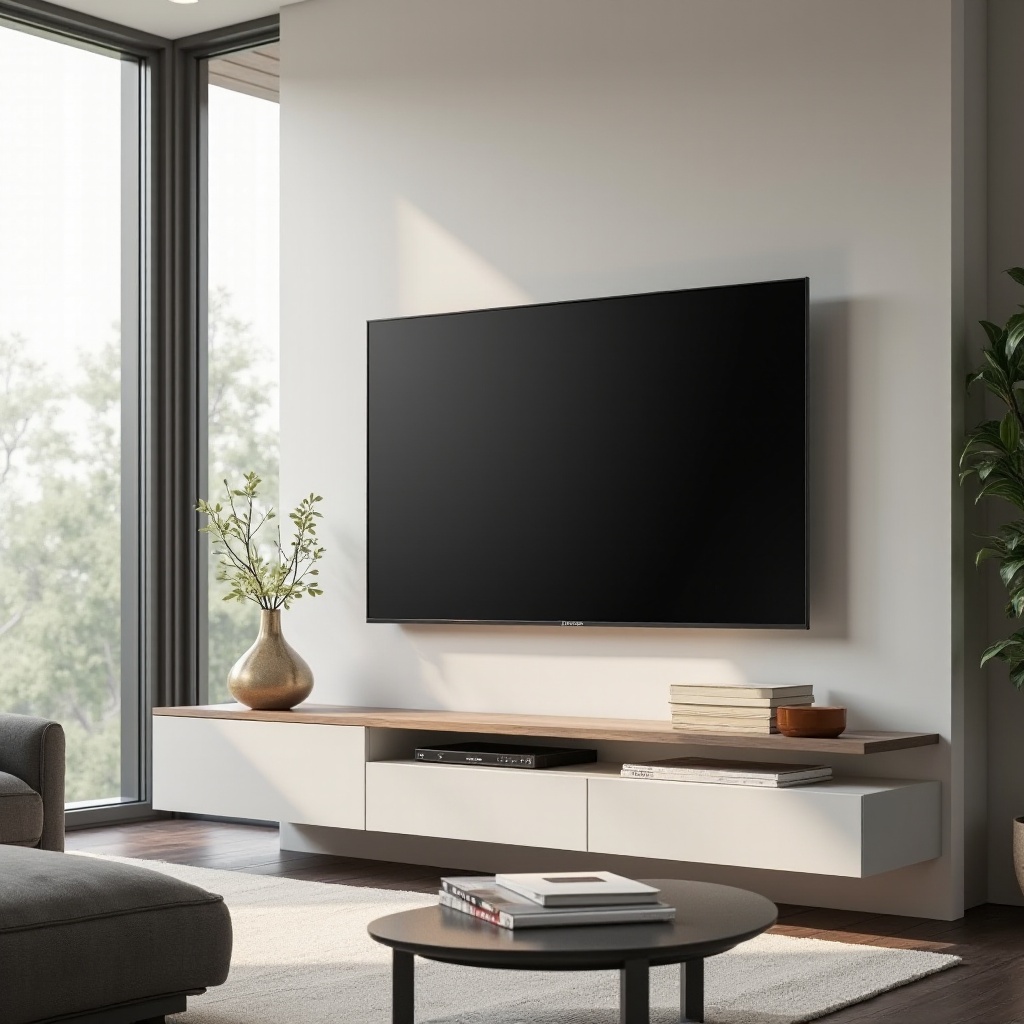
Grasping the actual size of a television involves understanding more than just its screen measurement. While a ’32-inch TV’ refers to the diagonal screen size, knowing the real width is crucial, especially when it comes to fitting the TV into your living space seamlessly. In this guide, we’ll delve into the specifics of TV dimensions, why they matter, and how to make the best choice for your particular environment.
TV Dimensions Explained
In the realm of televisions, size can often be misunderstood. The ’32-inch’ label describes the diagonal dimension of the screen from one corner to another. However, the width and height of the TV vary due to design factors, such as bezels. For accurate fitting, the product specifications that list these measurements should be your guide. This ensures that your new TV will suit the space without any surprises.
Transitioning from understanding basic size measurements, let’s explore the practical width of a 32-inch model and its variations.
How Wide is a 32 Inch TV?
Typically, a 32-inch TV measures about 28.7 inches in width (approximately 70 centimeters), though this can slightly differ depending on the manufacturer and the bezel design. The exact specifications of the model you’re considering are imperative, as even small variances can impact installation and aesthetics. Bezel design might include features like speaker systems or decorative frames, subtly affecting width.
Understanding the subtleties of width leads us to explore the visual perception of TVs, influenced by various physical aspects.
Factors Influencing TV Size Perception
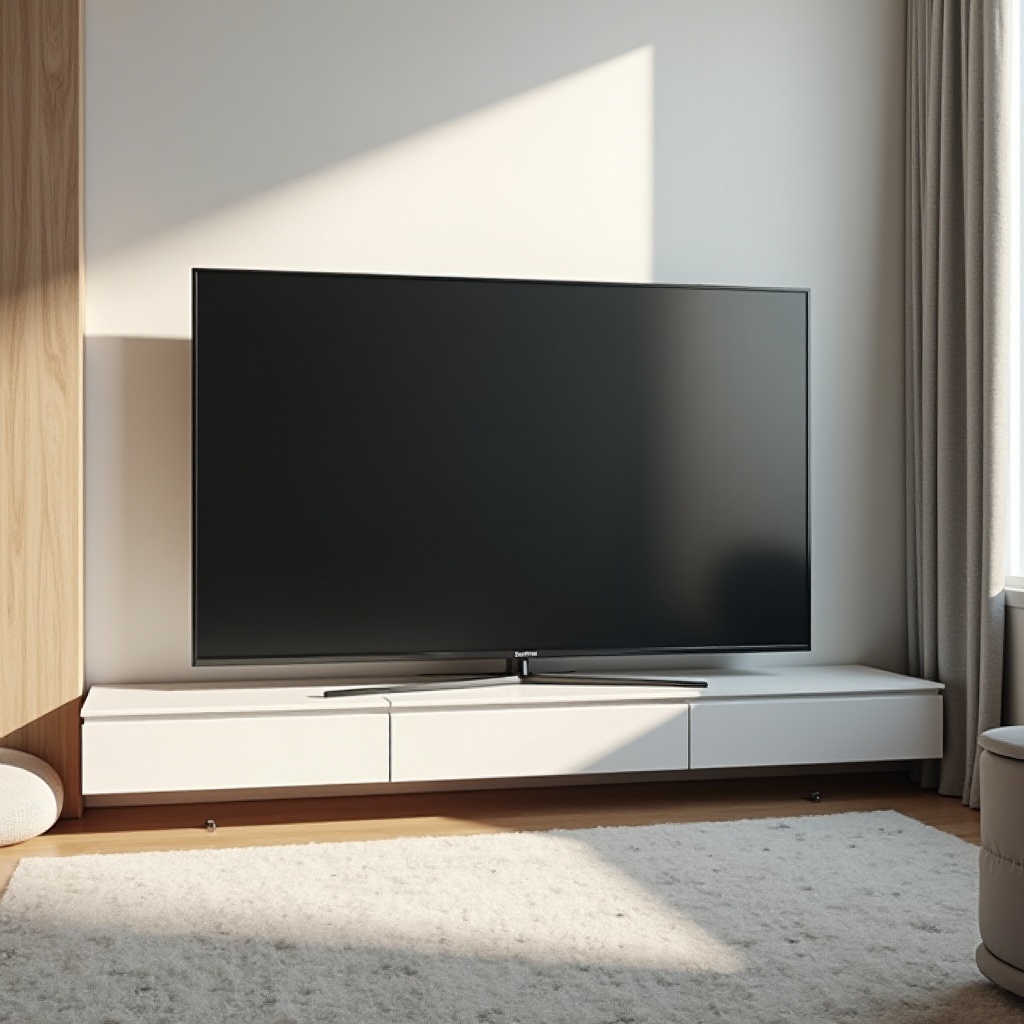
Perceptions of television size often go beyond just physical dimensions. Several elements, such as bezel size and the aspect ratio, play key roles:
- Bezel Size: Modern TVs typically have sleeker bezels, often creating the illusion of a larger screen and providing a more immersive experience. Reduced bezels maximize viewing areas without increasing the unit’s overall dimensions.
- Aspect Ratio: Most TVs have a 16:9 aspect ratio, impacting the perceived height and width. However, any deviations can alter this perception, affecting how content fits on the display.
These factors must be considered when comparing models and planning setups. This awareness helps ensure the chosen TV complements its environment and meets aesthetic and functional needs.
Moving from perception, let’s discover why a 32-inch TV might be the perfect fit for your space.
Why Choose a 32 Inch TV?
A 32-inch TV often represents an ideal choice for settings such as bedrooms, kitchens, or compact apartments where proximity to the screen is closer. Key advantages include:
- Space Efficiency: Compact enough for tight spaces without overwhelming the room.
- Cost-Effective: Smaller TVs usually come at a lower cost, appealing to budget-conscious buyers.
- Versatility: A 32-inch TV can easily switch between roles—from being an entertainment hub to displaying art.
Opting for this size is strategic for maximizing space usage without sacrificing picture quality, especially in tighter settings.
With an understanding of size choice benefits, let’s examine how other sizes may compare, influencing a buying decision.
Comparing TV Sizes: Making the Right Choice
Choosing the correct TV size involves evaluating more than just width and spatial fit but also considering viewing distance:
- Viewing Distance: Ideally, viewers should sit between 4 to 6.5 feet from a 32-inch TV to enjoy optimal clarity without straining their eyes.
- Comparison with Larger TVs: While larger TVs like 40 or 50 inches offer more screen real estate, a 32-inch suits those preferring a subtler presence or restricted by space.
These considerations help balance aesthetics with practicality, aligning your TV size choice with the room size and personal viewing preferences.
Connecting this choice to real-world setup, accurate space measurement for new TVs is crucial.
Measuring Your Space for a New TV
To ensure your TV fits its intended setting perfectly, consider these steps:
- Measure Available Width and Height: Use a tape measure to determine your space’s dimensions and account for furniture or obstructions.
- Account for Clearance: Ensure adequate clearance for ventilation and easy cable access.
- Decide Between Wall Mounting and Stand Placement: Wall mounts save floor space and offer flexible positioning, while stands can complement home decor.
Taking these measurements and considerations into account ensures the TV fits and functions well in its new environment.
Finally, as you finalize your decision, remember that TV features matter just as much as dimensions.
Modern TV Features Beyond Size
When selecting a TV, modern features can significantly enhance the viewing experience beyond simple dimensions:
- Resolution Options: From HD to 4K, the resolution makes a difference. A 32-inch TV with Full HD offers sharp, vibrant images perfectly tailored to its size.
- Smart Capabilities: Built-in smart features provide seamless access to streaming services, simplifying your home entertainment setup.
Considering these enhancements ensures you get the most from your viewing experience, adding value beyond mere size calculations.
Conclusion
Choosing the right TV size means considering more than just screen dimensions. By understanding real-world width, ensuring compatibility with your living space, and appreciating modern technological features, you can select a TV that meets your lifestyle and viewing needs. Knowing these elements allows you to confidently add a 32-inch TV to your home setup, ensuring enjoyment and convenience.
Frequently Asked Questions
What’s the best viewing distance for a 32-inch TV?
Sitting around 4 to 6.5 feet away will optimize your viewing experience without causing eye strain.
How does the aspect ratio affect TV width?
The aspect ratio determines the shape of the display, which can influence the perceived width and height of the television.
Are there any significant differences in dimensions between brands for a 32-inch TV?
Yes, variations occur due to design elements like bezels and integrated features, so checking specifications for each model is crucial.